

Best Practices for Sealing Solar PV MC4 Connectors Projects
Time: 2026-06-26 16:24:23 Copyfrom: SuZhou Volsun Electronics Technology Co.,Ltd.
As utility-scale solar projects continue to grow in size and complexity, ensuring the reliability of every electrical connection has become increasingly important. Modern solar farms may contain tens of thousands of photovoltaic connectors distributed across large geographic areas.
Although connectors represent a relatively small portion of the overall system cost, failures at these connection points can result in maintenance expenses, reduced energy production, and unexpected downtime.
For EPC contractors and project developers, adopting effective connector protection practices is essential for long-term project success.
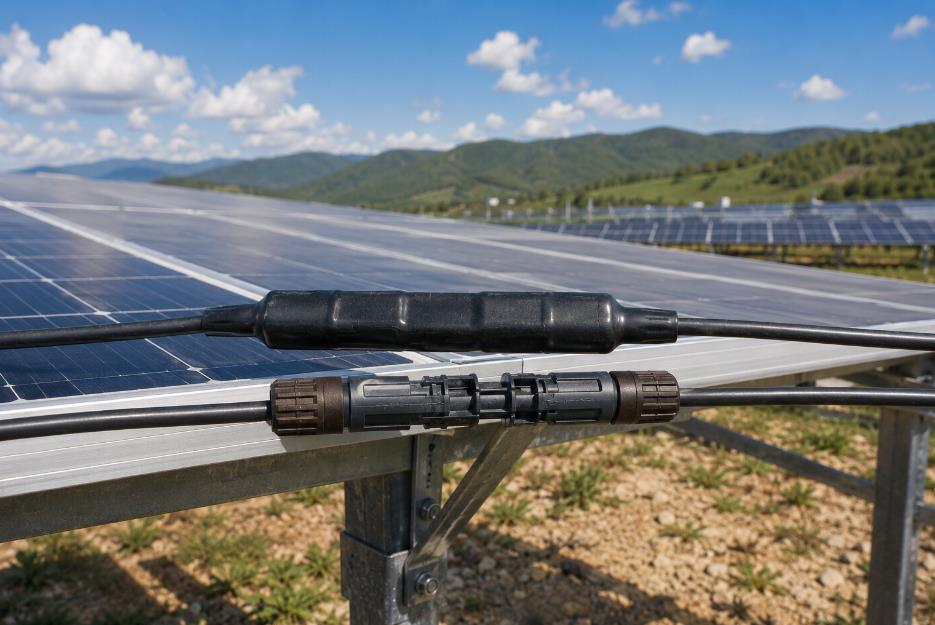
Why Connector Reliability Matters
A 100 MW solar farm can include thousands of string connections and cable terminations. Even a small percentage of connector failures can create significant operational challenges.
Because connectors are continuously exposed to environmental stress, proper sealing should be considered during the initial installation stage rather than after problems occur.
Key Environmental Challenges in Solar Projects
We know that solar installations operate in a wide variety of conditions.
- Desert Environments
High temperatures, intense UV exposure, and airborne dust can accelerate material aging and contamination.
- Coastal Locations
Salt spray can increase the risk of corrosion and affect long-term electrical performance.
- High-Humidity Regions
Frequent rain, moisture, and condensation create ongoing waterproofing challenges.
Best Practice1 : Select Materials Designed for Outdoor Exposure
Not all sealing materials perform equally under long-term outdoor conditions. Materials used for photovoltaic connector protection should provide:
* UV resistance
* Weather resistance
* Ozone resistance
* Temperature stability
* Long-term flexibility
Silicone cold shrink tube products are widely recognized for their ability to maintain above performance under prolonged environmental exposure.
Best Practice 2: Simplify Installation Procedures
Large solar projects often operate under tight construction schedules. Solutions requiring specialized heating equipment can increase installation time and introduce variability between installers.
Cold shrink technology eliminates the need for heat guns and allows technicians to complete installations quickly and consistently. This helps improve overall project efficiency while reducing installation errors.
Best Practice 3: Focus on Long-Term Maintenance Reduction
The true cost of a connector issue often appears years after installation. Selecting reliable protection methods during construction can reduce future inspection requirements, maintenance visits, and component replacements. A proactive approach generally delivers lower lifecycle costs compared to reactive repairs.
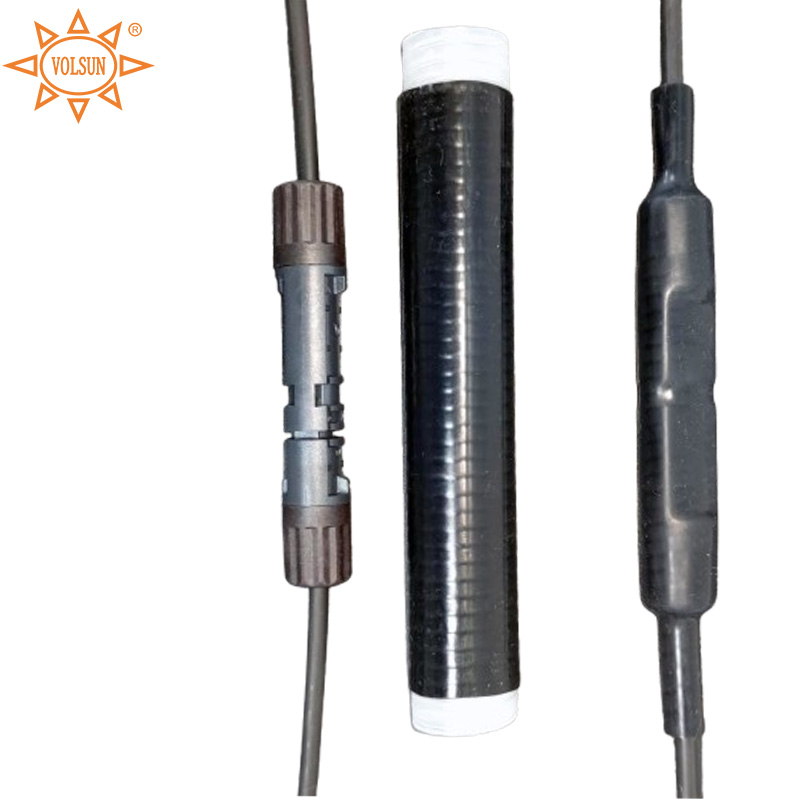
Why Many EPC Contractors Choose Cold Shrink Technology
Silicone cold shrink tubes have become a popular choice in solar projects because they combine installation simplicity with long-term environmental protection.
Key advantages include:
* Tool-free installation
* Uniform sealing pressure
* Excellent weather resistance
* UV and ozone durability
* Support for IP68 waterproof protection
* Compatibility with common PV connector systems
These benefits make cold shrink technology suitable for rooftop solar systems, commercial installations, utility-scale solar farms, and renewable energy infrastructure projects.
Reliable connector sealing plays a vital role in the long-term success of photovoltaic projects. As solar farms continue to increase in scale, EPC contractors are placing greater emphasis on solutions that improve reliability while reducing maintenance requirements.
KEYWORD:PV MC4 connector protection
RELATED_ARTICLES:
Volsun to Exhibit at EASA 2026 in Orlando USA
Heat Shrink Tube vs. Self-Curing Waterproof Insulation Pad: Which Is Better for Field Repairs?
High-Performance Thermal Interface Pad Materials: Technical FAQ
Volsun Shaft Grounding ring Technical FAQ: Deep Dive into Motor Protection
Streamline Maintenance with Silicone Snap-on Overhead Line Covers
How Shaft Grounding Rings Improve Reliability in HVAC Fan and Motor Systems
Maximizing Field Efficiency with Versatile 2:1 Heat Shrink Busbar Sleeving
Volsun Honored as “High-Quality Development Enterprise (2024–2025)”
The Role of 7KV Fiberglass Sleeving in EV and Rail Transit
Cold Shrink Tubing for Solar Power Systems: Improving Cable Durability in Outdoor Installations
Cold Shrink Tubing for Telecom Base Stations: Ensuring Reliable Outdoor Cable Protection
VFD Motor Shaft Voltage Explained


